

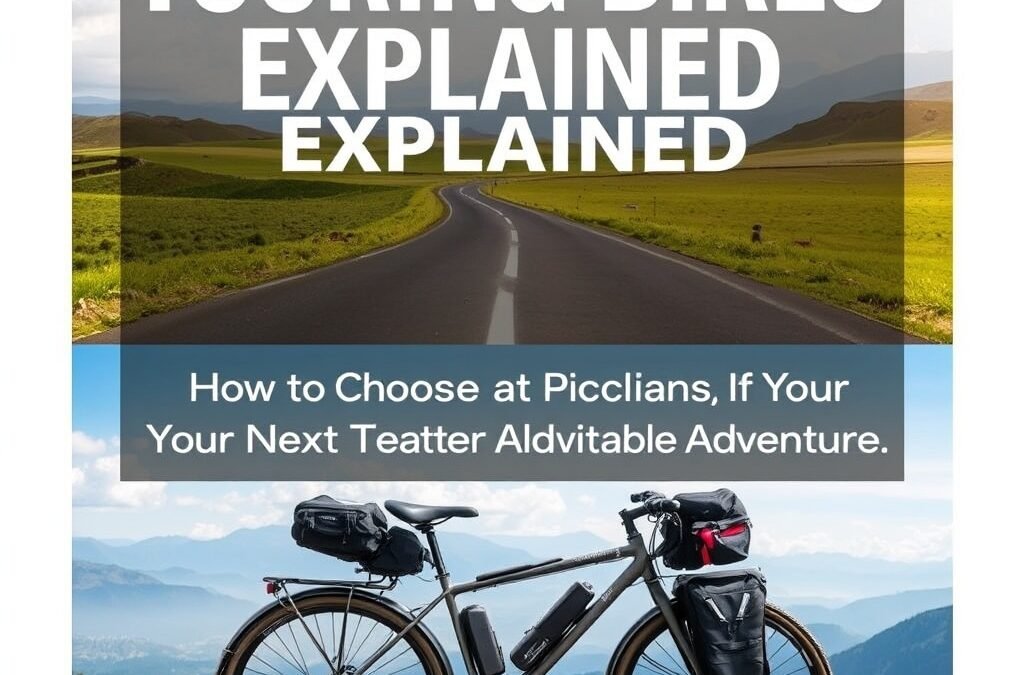
Touring Bikes Explained: How to Choose the Perfect Bicycle for Your Next Long-Distance Adventure
Imagine pedaling across rolling countryside, your gear securely strapped behind you, with nothing but the open road ahead. That’s the magic of a touring bike—a machine built not just for speed or trails, but for real journeys. Whether you’re dreaming of a weekend escape or a cross-country epic, understanding touring bikes can turn that dream into reality. In this guide, we’ll break down what makes these bikes special, how they stack up against other bicycles, and exactly how to pick the right one for your next adventure.
What Exactly Is a Touring Bike?
A touring bike is a purpose-built bicycle designed for long-distance travel with heavy loads. Think of it as the reliable workhorse of the cycling world—stable, durable, and comfortable enough to ride all day, every day. Unlike bikes optimized for racing or weekend spins, touring bikes prioritize carrying capacity, all-day ergonomics, and the ability to handle varied conditions while keeping you and your gear safe.
At their core, these bikes are about freedom: the freedom to camp, explore remote areas, or simply travel light on multi-day trips without relying on support vehicles.
Key Features That Set Touring Bikes Apart
Touring bikes come packed with thoughtful details that make extended rides possible:
- Robust Frame and Fork: Most are built from steel (like Reynolds 725 or 531) for its strength, repairability, and vibration-damping qualities. The frame includes numerous braze-ons—mounting points for racks, fenders, water bottles, and even generators.
- Wide, Puncture-Resistant Tires: Typically 32–50mm wide with reinforced sidewalls. They offer stability, comfort, and grip on pavement, gravel, or light dirt.
- Reliable Drivetrain and Brakes: Wide-range gearing (often with a triple chainring or modern 1x/2x setups) handles hills even when fully loaded. Disc brakes (mechanical or hydraulic) provide consistent stopping power in rain or with heavy loads.
- Comfort-Oriented Geometry: A longer wheelbase and relaxed head-tube angle create stability at speed and when loaded. Upright handlebar positions (often with drop bars, butterfly bars, or flat bars) reduce strain on your back, neck, and wrists.
- Integrated Accessories: Built-in mounts for front and rear racks, plus options for dynamo lighting and mudguards.
These features combine to create a bike that feels planted and forgiving, even after 100+ kilometers.
How Touring Bikes Differ from Other Bicycles
It helps to compare them with popular alternatives:
- Road Bikes: Sleek and lightweight with drop bars and narrow tires. They’re fast on smooth pavement but lack mounting points and stability for luggage. A touring bike is slower but far more practical for loaded travel.
- Gravel Bikes: Versatile “all-road” machines with wider tires and some mounting options. They’re lighter and quicker than traditional tourers but often sacrifice maximum load capacity and long-term durability for speed.
- Mountain Bikes: Built for technical trails with suspension and knobby tires. Great off-road, but heavy and inefficient for long paved or mixed-surface journeys.
- Hybrids or Commuters: Comfortable for short urban rides with upright positions and basic mounts. They’re not as robust or efficient for multi-day adventures with serious gear.
In short, a touring bike strikes the perfect balance between comfort, capacity, and efficiency for the long haul.
How to Choose the Perfect Touring Bike
Selecting the right bike depends on your specific needs. Here’s a practical framework:
Terrain
Paved roads only? Opt for a classic steel tourer with 35–40mm tires. Mixed gravel or rough roads? Look for models with clearance for 45–50mm tires and a slightly more aggressive geometry (e.g., the Surly Disc Trucker or Trek 520). Test ride on surfaces similar to your route.
Trip Duration
Short weekend tours (2–4 days) allow lighter builds and smaller racks. Multi-week expeditions demand maximum durability—think full-steel frames, wide-range cassettes, and robust wheels. Budget extra for quality panniers and a comfortable saddle.
Budget
Entry-level options start around $800–$1,200 (used or basic new models like the Giant ToughRoad or Decathlon Riverside). Mid-range ($1,500–$2,500) gets you better components and lighter frames. Premium bikes ($3,000+) offer titanium or high-end steel and custom geometry. Factor in accessories: racks, panniers, and lights can add $300–$800.
Rider Preferences
- Solo vs. supported: Solo riders benefit from dynamo hubs for reliable lighting.
- Speed vs. comfort: Faster riders might prefer a lighter gravel-touring hybrid.
- Body fit: Get a professional bike fit—proper saddle height, reach, and handlebar setup prevent injury on long days.
- Experience level: Beginners should prioritize stability and easy gearing; veterans can chase lighter weight.
Actionable Tips to Make Your Decision
- Test Ride Extensively — Visit a shop that offers demo days or rent a touring bike for a weekend. Load it with 20–30 lbs of gear to feel the real difference.
- Prioritize Fit Over Features — A perfectly spec’d bike that doesn’t fit will ruin your trip. Measure your inseam and torso, or book a fitting session.
- Start Simple — Don’t overbuy. A solid used touring bike plus good panniers often outperforms a flashy new one on a tight budget.
- Research Specific Models — Popular choices include the Surly Bridge Club, Salsa Marrakesh, and Canyon Grail (for lighter touring). Read owner reviews on forums like Bikepacking.com or Reddit’s r/bicycletouring.
- Plan for Maintenance — Choose a bike with widely available parts. Steel frames are easy to repair in remote areas.
- Budget for the Whole Package — Allocate 30–40% of your total spend to racks, bags, lights, and a good lock.
Choosing the right touring bike is an investment in freedom and unforgettable memories. Whether you’re a first-time adventurer or a seasoned cyclist, the perfect bike will feel like an extension of yourself—stable, capable, and ready for whatever the road throws your way.
Happy touring! What’s your dream long-distance route? Drop it in the comments below.