
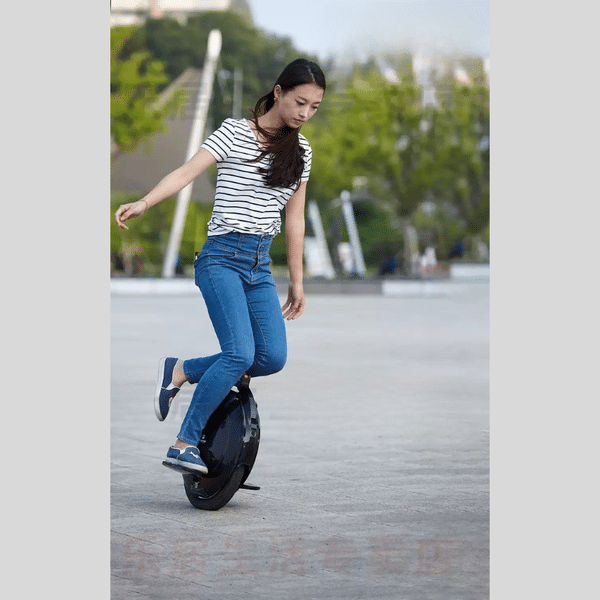
From Wobbly Beginner to Smooth Rider: 7 Essential Tips to Master Your First Week on a Balancing Scooter

From Wobbly Beginner to Smooth Rider: 7 Essential Tips to Master Your First Week on a Balancing Scooter

From Wobbly Beginner to Smooth Rider: 7 Essential Tips to Master Your First Week on a Balancing Scooter

Learning to ride a balancing scooter for the first time can feel exciting, awkward, and a little intimidating all at once. One minute you feel confident, and the next you’re wobbling like a shopping cart with a bad wheel. The good news? That’s completely normal.

Almost every experienced rider started exactly where you are now. The first week is all about building confidence, improving balance, and getting comfortable with how the scooter responds to your movements. With the right approach and a little patience, you’ll be surprised how quickly your skills improve.

Whether you’re riding for fun, commuting, or simply trying something new, these seven essential tips will help you go from nervous beginner to smooth rider faster and more safely.


1. Start with Safety First

Before you even step onto the scooter, make safety your top priority. New riders are more likely to lose balance during the first few sessions, so protective gear matters more than you might think.

Wear:

  • A properly fitted helmet
  • Knee and elbow pads
  • Comfortable shoes with good grip
  • Lightweight, flexible clothing

Choose a practice area that is:

  • Flat and smooth
  • Free from traffic
  • Wide enough to turn safely
  • Away from crowds and obstacles

Parking lots, quiet sidewalks, or empty basketball courts are excellent beginner-friendly spaces.

Remember: confidence grows faster when you feel protected.


2. Learn the Correct Riding Posture

Good posture makes balancing much easier. Many beginners stiffen their bodies or lean too far forward, which creates instability.

Instead:

  • Keep your knees slightly bent
  • Stand relaxed, not rigid
  • Keep your back straight
  • Look ahead instead of down at your feet
  • Distribute your weight evenly

Your balancing scooter responds to subtle body movements. Small shifts work better than sudden or exaggerated motions. Think smooth and controlled rather than forceful.

One simple trick: if you feel tense, take a deep breath and loosen your shoulders. Relaxed riders balance better.


3. Practice Mounting and Dismounting Slowly

Getting on and off the scooter is one of the hardest parts for beginners. Don’t rush it.

Start near a wall, railing, or sturdy object for support.

To mount safely:

  1. Place one foot firmly on the scooter
  2. Let the scooter stabilize
  3. Step on gently with the second foot
  4. Stay centered and balanced

To dismount:

  1. Slow down completely
  2. Step backward carefully with one foot
  3. Bring the second foot off smoothly

Practice this repeatedly before attempting longer rides. A strong start and stop routine builds confidence quickly.


4. Master Small Movements Before Speed

One of the most common beginner mistakes is trying to go too fast too soon. Speed can feel exciting, but control is far more important during your first week.

Focus on:

  • Moving forward slowly
  • Stopping smoothly
  • Making gentle turns
  • Controlling your balance at low speed

Balancing scooters are surprisingly responsive. Tiny body movements create noticeable changes in direction and speed. The smoother your movements, the smoother your ride becomes.

A good goal for the first few days is simple control — not speed or tricks.


5. Create a Short Daily Practice Routine

Consistency beats long practice sessions. Riding for 15–30 minutes each day is often more effective than practicing for hours once a week.

A simple beginner routine could look like this:

Day 1–2

  • Mounting and dismounting
  • Standing still
  • Slow forward movement

Day 3–4

  • Smooth stopping
  • Wide turns
  • Maintaining balance while moving slowly

Day 5–7

  • Tighter turns
  • Riding over slightly uneven surfaces
  • Improving confidence and control

Short, regular practice sessions help your muscles and brain adapt naturally. Over time, balancing starts to feel automatic.


6. Don’t Panic When You Wobble

Wobbling is part of learning. Every beginner experiences it.

The key is staying calm instead of reacting suddenly.

When you wobble:

  • Avoid jerking your body
  • Slow down gently
  • Keep your knees loose
  • Focus your eyes ahead
  • Let the scooter stabilize naturally

Most instability happens because riders overcorrect. Relaxed corrections work much better than dramatic movements.

Think of balancing like learning to ride a bicycle — your body gradually develops the coordination through repetition.


7. Be Patient and Celebrate Small Wins

Progress often comes in small steps:

  • Your first smooth turn
  • Your first confident stop
  • Your first ride without wobbling
  • Your first full lap around the practice area

Celebrate those moments.

Some people learn quickly in a day or two, while others need a little more time. Both are completely normal. What matters most is staying consistent and enjoying the learning process.

Confidence grows naturally through practice, not perfection.


Final Thoughts

Your first week on a balancing scooter is all about building comfort, trust, and control. You do not need to become an expert overnight. Every smooth rider you see today once struggled with balance, shaky turns, and nervous starts.

Stay patient with yourself, practice regularly, and focus on gradual improvement instead of immediate perfection. Before long, the wobbling will fade, your movements will feel natural, and riding will become genuinely fun.

So put on your helmet, find an open space, and keep rolling forward — one smooth ride at a time.

Touring Bikes Explained: How to Choose the Perfect Bicycle for Your Next Long-Distance Adventure

Touring Bikes Explained: How to Choose the Perfect Bicycle for Your Next Long-Distance Adventure

chaiyoot punyasit

Imagine pedaling across rolling countryside, your gear securely strapped behind you, with nothing but the open road ahead. That’s the magic of a touring bike—a machine built not just for speed or trails, but for real journeys. Whether you’re dreaming of a weekend escape or a cross-country epic, understanding touring bikes can turn that dream into reality. In this guide, we’ll break down what makes these bikes special, how they stack up against other bicycles, and exactly how to pick the right one for your next adventure.

What Exactly Is a Touring Bike?

A touring bike is a purpose-built bicycle designed for long-distance travel with heavy loads. Think of it as the reliable workhorse of the cycling world—stable, durable, and comfortable enough to ride all day, every day. Unlike bikes optimized for racing or weekend spins, touring bikes prioritize carrying capacity, all-day ergonomics, and the ability to handle varied conditions while keeping you and your gear safe.

At their core, these bikes are about freedom: the freedom to camp, explore remote areas, or simply travel light on multi-day trips without relying on support vehicles.

Key Features That Set Touring Bikes Apart

Touring bikes come packed with thoughtful details that make extended rides possible:

  • Robust Frame and Fork: Most are built from steel (like Reynolds 725 or 531) for its strength, repairability, and vibration-damping qualities. The frame includes numerous braze-ons—mounting points for racks, fenders, water bottles, and even generators.
  • Wide, Puncture-Resistant Tires: Typically 32–50mm wide with reinforced sidewalls. They offer stability, comfort, and grip on pavement, gravel, or light dirt.
  • Reliable Drivetrain and Brakes: Wide-range gearing (often with a triple chainring or modern 1x/2x setups) handles hills even when fully loaded. Disc brakes (mechanical or hydraulic) provide consistent stopping power in rain or with heavy loads.
  • Comfort-Oriented Geometry: A longer wheelbase and relaxed head-tube angle create stability at speed and when loaded. Upright handlebar positions (often with drop bars, butterfly bars, or flat bars) reduce strain on your back, neck, and wrists.
  • Integrated Accessories: Built-in mounts for front and rear racks, plus options for dynamo lighting and mudguards.

These features combine to create a bike that feels planted and forgiving, even after 100+ kilometers.

How Touring Bikes Differ from Other Bicycles

It helps to compare them with popular alternatives:

  • Road Bikes: Sleek and lightweight with drop bars and narrow tires. They’re fast on smooth pavement but lack mounting points and stability for luggage. A touring bike is slower but far more practical for loaded travel.
  • Gravel Bikes: Versatile “all-road” machines with wider tires and some mounting options. They’re lighter and quicker than traditional tourers but often sacrifice maximum load capacity and long-term durability for speed.
  • Mountain Bikes: Built for technical trails with suspension and knobby tires. Great off-road, but heavy and inefficient for long paved or mixed-surface journeys.
  • Hybrids or Commuters: Comfortable for short urban rides with upright positions and basic mounts. They’re not as robust or efficient for multi-day adventures with serious gear.

In short, a touring bike strikes the perfect balance between comfort, capacity, and efficiency for the long haul.

How to Choose the Perfect Touring Bike

Selecting the right bike depends on your specific needs. Here’s a practical framework:

Terrain
Paved roads only? Opt for a classic steel tourer with 35–40mm tires. Mixed gravel or rough roads? Look for models with clearance for 45–50mm tires and a slightly more aggressive geometry (e.g., the Surly Disc Trucker or Trek 520). Test ride on surfaces similar to your route.

Trip Duration
Short weekend tours (2–4 days) allow lighter builds and smaller racks. Multi-week expeditions demand maximum durability—think full-steel frames, wide-range cassettes, and robust wheels. Budget extra for quality panniers and a comfortable saddle.

Budget
Entry-level options start around $800–$1,200 (used or basic new models like the Giant ToughRoad or Decathlon Riverside). Mid-range ($1,500–$2,500) gets you better components and lighter frames. Premium bikes ($3,000+) offer titanium or high-end steel and custom geometry. Factor in accessories: racks, panniers, and lights can add $300–$800.

Rider Preferences

  • Solo vs. supported: Solo riders benefit from dynamo hubs for reliable lighting.
  • Speed vs. comfort: Faster riders might prefer a lighter gravel-touring hybrid.
  • Body fit: Get a professional bike fit—proper saddle height, reach, and handlebar setup prevent injury on long days.
  • Experience level: Beginners should prioritize stability and easy gearing; veterans can chase lighter weight.

Actionable Tips to Make Your Decision

  1. Test Ride Extensively — Visit a shop that offers demo days or rent a touring bike for a weekend. Load it with 20–30 lbs of gear to feel the real difference.
  2. Prioritize Fit Over Features — A perfectly spec’d bike that doesn’t fit will ruin your trip. Measure your inseam and torso, or book a fitting session.
  3. Start Simple — Don’t overbuy. A solid used touring bike plus good panniers often outperforms a flashy new one on a tight budget.
  4. Research Specific Models — Popular choices include the Surly Bridge Club, Salsa Marrakesh, and Canyon Grail (for lighter touring). Read owner reviews on forums like Bikepacking.com or Reddit’s r/bicycletouring.
  5. Plan for Maintenance — Choose a bike with widely available parts. Steel frames are easy to repair in remote areas.
  6. Budget for the Whole Package — Allocate 30–40% of your total spend to racks, bags, lights, and a good lock.

Choosing the right touring bike is an investment in freedom and unforgettable memories. Whether you’re a first-time adventurer or a seasoned cyclist, the perfect bike will feel like an extension of yourself—stable, capable, and ready for whatever the road throws your way.

Happy touring! What’s your dream long-distance route? Drop it in the comments below.

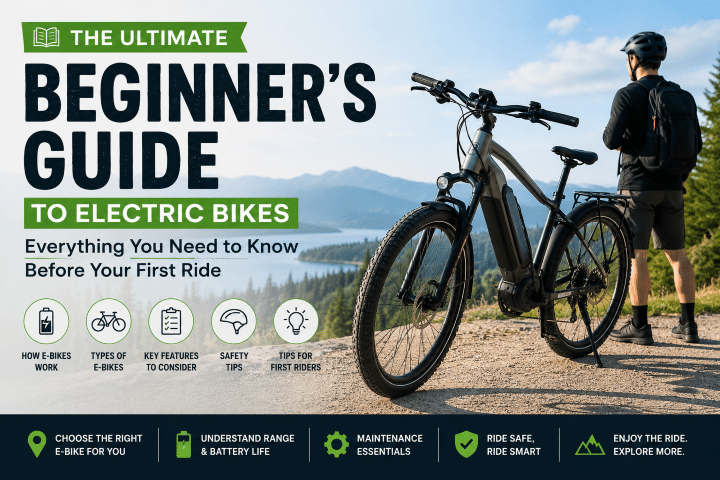
The Ultimate Beginner’s Guide to Electric Bikes: Everything You Need to Know Before Your First Ride

The Ultimate Beginner’s Guide to Electric Bikes: Everything You Need to Know Before Your First Ride

Electric bikes have rapidly transformed the way people commute, explore, and enjoy the outdoors. Whether you're looking for an easier daily commute, a more enjoyable weekend ride, or a smarter way to stay active, electric bikes offer a modern and exciting solution for riders of all experience levels.

If you’re completely new to e-bikes, this guide will help you understand the basics, discover what features matter most, and feel confident before your first ride.


What Is an Electric Bike?

An electric bike, often called an e-bike, is a bicycle equipped with an electric motor and battery that assist with pedaling. Unlike motorcycles or scooters, most e-bikes still require pedaling, but the motor provides extra support to make riding easier and more efficient.

Electric bikes are designed to help riders travel farther, climb hills more comfortably, and reduce fatigue during long rides or commutes.


How Do Electric Bikes Work?

Electric bikes use three main components to provide assistance:

1. Motor

The motor provides additional power while riding. Depending on the bike, the motor may be located in the front wheel, rear wheel, or center crank area.

2. Battery

The battery powers the motor and determines how far the bike can travel on a single charge. Most modern e-bikes use rechargeable lithium-ion batteries.

3. Pedal Assist System

Pedal assist activates the motor when you pedal. Riders can usually choose different assistance levels depending on terrain and riding preference.

Some e-bikes also include a throttle, allowing riders to accelerate without pedaling.


Common Types of Electric Bikes

There are several types of e-bikes designed for different riding styles and lifestyles.

Commuter E-Bikes

Perfect for city riding, commuting, and everyday transportation. These bikes prioritize comfort, efficiency, and practicality.

Mountain E-Bikes

Built for off-road adventures, trails, and rugged terrain. They typically feature stronger suspension systems and larger tires.

Folding E-Bikes

Compact and portable, folding e-bikes are ideal for urban riders with limited storage space or mixed transportation needs.

Fat Tire E-Bikes

Designed with oversized tires for improved stability and traction on sand, snow, gravel, and rough terrain.

Cargo E-Bikes

Made for carrying heavy loads, groceries, or even passengers while maintaining electric assistance.


Key Features to Consider Before Buying

Choosing your first electric bike can feel overwhelming, but focusing on a few important features can make the process easier.

Battery Range

Battery range refers to how far the bike can travel before needing a recharge. Consider your daily riding distance and choose a battery that comfortably supports your needs.

Motor Power

Motor power affects acceleration, hill climbing, and overall riding performance. Common motor sizes include 250W, 500W, and 750W systems.

Frame Style

Choose a frame style that matches your comfort level and riding habits. Step-through frames are popular for beginners and commuters because they are easier to mount and dismount.

Tire Type

Different tires perform better in different environments. Smooth tires are efficient for city riding, while wider tires provide more comfort and traction off-road.

Brakes

Reliable braking is essential for safety. Hydraulic disc brakes are widely recommended for their strong stopping power and control.

Weight

Electric bikes are heavier than traditional bicycles because of the battery and motor. Make sure the bike’s weight suits your storage and transportation needs.


Benefits of Riding an Electric Bike

Electric bikes offer many advantages for both beginners and experienced riders.

Easier Commuting

E-bikes make commuting faster, less stressful, and more enjoyable, especially in traffic or hilly areas.

Longer Rides

With motor assistance, riders can travel farther distances without becoming overly tired.

Eco-Friendly Transportation

Electric bikes produce significantly fewer emissions compared to cars and motorcycles.

Improved Fitness

Even with motor assistance, e-bike riders still pedal and stay physically active.

More Accessible Cycling

E-bikes help riders of different ages and fitness levels enjoy cycling with greater confidence.


Safety Tips for First-Time Riders

Safety should always be a priority when riding an electric bike.

Wear a Helmet

Always wear a properly fitted helmet to protect yourself while riding.

Start Slowly

Spend time getting familiar with the bike’s controls, acceleration, and braking before riding in busy areas.

Learn the Assist Levels

Begin with lower pedal-assist settings until you feel comfortable controlling the bike.

Follow Local Laws

Some areas have regulations regarding e-bike speed limits, helmet requirements, and where e-bikes are allowed.

Stay Visible

Use front and rear lights, wear reflective gear, and remain aware of traffic conditions.

Check Your Bike Regularly

Inspect tire pressure, brakes, battery charge, and drivetrain components before riding.


Practical Advice for Your First Ride

Your first ride should feel exciting, not intimidating.

Choose a Comfortable Route

Start on quiet roads, bike paths, or open areas with minimal traffic.

Practice Braking

Electric bikes can accelerate quickly, so understanding braking distance is important.

Keep the Battery Charged

Charge the battery regularly and avoid letting it fully drain whenever possible.

Bring Essentials

Carry water, a small repair kit, and your phone during rides.

Build Confidence Gradually

Take time to adjust to the extra power and weight of the bike before attempting longer rides or difficult terrain.


Maintaining Your Electric Bike

Basic maintenance helps keep your e-bike safe, reliable, and performing well.

Keep the Battery Healthy

Store batteries in moderate temperatures and use the manufacturer’s recommended charger.

Clean the Bike Regularly

Remove dirt and debris from the frame, drivetrain, and tires after rides.

Check Moving Parts

Inspect chains, gears, brakes, and tires frequently for wear.

Schedule Professional Service

Occasional professional tune-ups help maintain long-term performance and safety.


Is an Electric Bike Worth It?

For many riders, the answer is absolutely yes.

Electric bikes combine convenience, technology, fitness, and adventure into one enjoyable experience. They make cycling more accessible, reduce transportation costs, and encourage people to spend more time outdoors.

Whether you want a practical commuting solution or a fun way to explore new places, an e-bike can completely change the way you ride.


Final Thoughts

Starting your electric bike journey may feel overwhelming at first, but learning the basics makes the experience much easier and more enjoyable.

The key is choosing the right bike for your lifestyle, understanding how it works, and riding with confidence and safety in mind. Electric bikes are designed to make cycling more accessible, fun, and practical for riders of all backgrounds.

As the world continues to embrace smarter and more sustainable mobility, there has never been a better time to discover the freedom and excitement of electric biking.


Shopping cart0
There are no products in the cart!
Continue shopping
0
Select the fields to be shown. Others will be hidden. Drag and drop to rearrange the order.
  • Image
  • SKU
  • Rating
  • Price
  • Stock
  • Availability
  • Add to cart
  • Description
  • Content
  • Weight
  • Dimensions
  • Additional information
Click outside to hide the comparison bar
Compare