

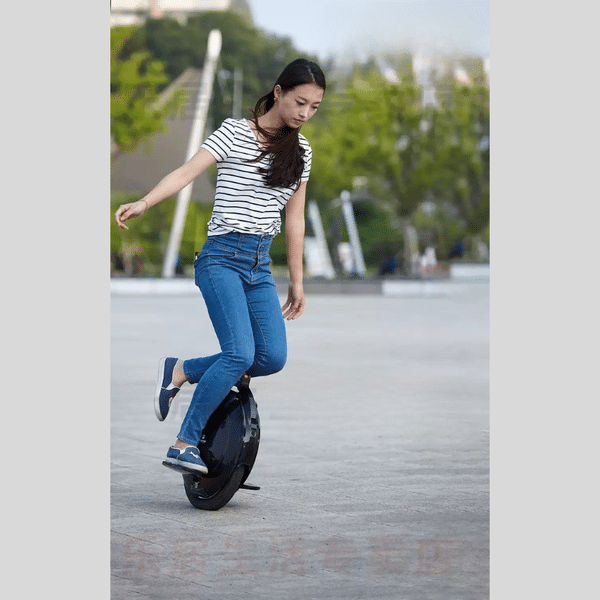
From Wobbly Beginner to Smooth Rider: 7 Essential Tips to Master Your First Week on a Balancing Scooter
From Wobbly Beginner to Smooth Rider: 7 Essential Tips to Master Your First Week on a Balancing Scooter
Learning to ride a balancing scooter for the first time can feel exciting, awkward, and a little intimidating all at once. One minute you feel confident, and the next you’re wobbling like a shopping cart with a bad wheel. The good news? That’s completely normal.
Almost every experienced rider started exactly where you are now. The first week is all about building confidence, improving balance, and getting comfortable with how the scooter responds to your movements. With the right approach and a little patience, you’ll be surprised how quickly your skills improve.
Whether you’re riding for fun, commuting, or simply trying something new, these seven essential tips will help you go from nervous beginner to smooth rider faster and more safely.
1. Start with Safety First
Before you even step onto the scooter, make safety your top priority. New riders are more likely to lose balance during the first few sessions, so protective gear matters more than you might think.
Wear:
- A properly fitted helmet
- Knee and elbow pads
- Comfortable shoes with good grip
- Lightweight, flexible clothing
Choose a practice area that is:
- Flat and smooth
- Free from traffic
- Wide enough to turn safely
- Away from crowds and obstacles
Parking lots, quiet sidewalks, or empty basketball courts are excellent beginner-friendly spaces.
Remember: confidence grows faster when you feel protected.
2. Learn the Correct Riding Posture
Good posture makes balancing much easier. Many beginners stiffen their bodies or lean too far forward, which creates instability.
Instead:
- Keep your knees slightly bent
- Stand relaxed, not rigid
- Keep your back straight
- Look ahead instead of down at your feet
- Distribute your weight evenly
Your balancing scooter responds to subtle body movements. Small shifts work better than sudden or exaggerated motions. Think smooth and controlled rather than forceful.
One simple trick: if you feel tense, take a deep breath and loosen your shoulders. Relaxed riders balance better.
3. Practice Mounting and Dismounting Slowly
Getting on and off the scooter is one of the hardest parts for beginners. Don’t rush it.
Start near a wall, railing, or sturdy object for support.
To mount safely:
- Place one foot firmly on the scooter
- Let the scooter stabilize
- Step on gently with the second foot
- Stay centered and balanced
To dismount:
- Slow down completely
- Step backward carefully with one foot
- Bring the second foot off smoothly
Practice this repeatedly before attempting longer rides. A strong start and stop routine builds confidence quickly.
4. Master Small Movements Before Speed
One of the most common beginner mistakes is trying to go too fast too soon. Speed can feel exciting, but control is far more important during your first week.
Focus on:
- Moving forward slowly
- Stopping smoothly
- Making gentle turns
- Controlling your balance at low speed
Balancing scooters are surprisingly responsive. Tiny body movements create noticeable changes in direction and speed. The smoother your movements, the smoother your ride becomes.
A good goal for the first few days is simple control — not speed or tricks.
5. Create a Short Daily Practice Routine
Consistency beats long practice sessions. Riding for 15–30 minutes each day is often more effective than practicing for hours once a week.
A simple beginner routine could look like this:
Day 1–2
- Mounting and dismounting
- Standing still
- Slow forward movement
Day 3–4
- Smooth stopping
- Wide turns
- Maintaining balance while moving slowly
Day 5–7
- Tighter turns
- Riding over slightly uneven surfaces
- Improving confidence and control
Short, regular practice sessions help your muscles and brain adapt naturally. Over time, balancing starts to feel automatic.
6. Don’t Panic When You Wobble
Wobbling is part of learning. Every beginner experiences it.
The key is staying calm instead of reacting suddenly.
When you wobble:
- Avoid jerking your body
- Slow down gently
- Keep your knees loose
- Focus your eyes ahead
- Let the scooter stabilize naturally
Most instability happens because riders overcorrect. Relaxed corrections work much better than dramatic movements.
Think of balancing like learning to ride a bicycle — your body gradually develops the coordination through repetition.
7. Be Patient and Celebrate Small Wins
Progress often comes in small steps:
- Your first smooth turn
- Your first confident stop
- Your first ride without wobbling
- Your first full lap around the practice area
Celebrate those moments.
Some people learn quickly in a day or two, while others need a little more time. Both are completely normal. What matters most is staying consistent and enjoying the learning process.
Confidence grows naturally through practice, not perfection.
Final Thoughts
Your first week on a balancing scooter is all about building comfort, trust, and control. You do not need to become an expert overnight. Every smooth rider you see today once struggled with balance, shaky turns, and nervous starts.
Stay patient with yourself, practice regularly, and focus on gradual improvement instead of immediate perfection. Before long, the wobbling will fade, your movements will feel natural, and riding will become genuinely fun.
So put on your helmet, find an open space, and keep rolling forward — one smooth ride at a time.